
Views: 0 Author: Site Editor Publish Time: 2026-01-19 Origin: Site
When it comes to producing high-quality plastic films, blown film machines are indispensable. From agricultural films to industrial packaging, blown film machines play a crucial role in meeting the diverse needs of industries worldwide. With over 20 years of expertise in the blown film industry, Mingyang Packaging Machinery has established itself as a leader, offering innovative, high-performance, and energy-efficient machines that ensure consistent film production. In this article, we will explore the various types of blown film machines, their key differences, and how to choose the right one for your specific production needs.
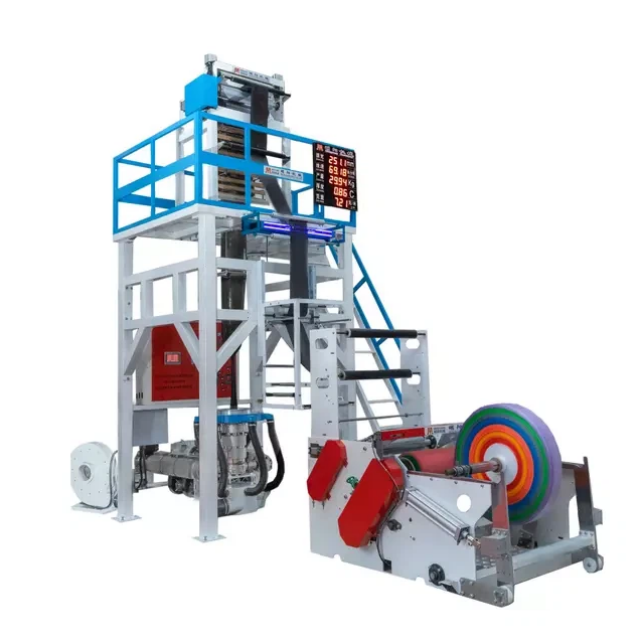
Blown film machines can be categorized based on their structure and functionality. The main types of machines used in the industry include single-screw machines, multilayer co-extrusion systems, and laboratory units.
Single-screw monolayer machines are the most common type used in film production. These machines are designed to create films with a single layer of material, offering simplicity and cost-effectiveness. Single screw machines are perfect for general packaging applications where basic film properties are sufficient. They are relatively easy to operate and maintain, making them ideal for small to medium-scale productions.
ABA and ABC multilayer co-extrusion machines are used for creating films with multiple layers, each offering specific properties. For instance, the ABA configuration typically uses three layers: two outer layers of a more durable material and a middle layer with barrier properties. The ABC system, which involves more complex multi-layer arrangements, is used when high-strength films or films with exceptional barrier properties are required. These machines are commonly used in food packaging, medical films, and other applications requiring high-performance films.
For research and small-scale production, laboratory or mini blown film units are perfect. These machines provide manufacturers with the ability to test new materials and production methods on a smaller scale before scaling up to full production. Mini units are particularly useful for testing new polymers or for educational purposes. Although they produce smaller quantities of film, the quality and consistency are still exceptional.
The type of material used in the film production process significantly impacts the choice of blown film machine. Various machines are designed to process different types of plastic polymers, each with its own unique characteristics and uses.
Polyethylene (PE) is one of the most commonly used materials in blown film production. LDPE and HDPE are used in a variety of applications. LDPE is commonly used for packaging and agricultural films due to its flexibility, transparency, and excellent sealing properties, while HDPE is often used in applications requiring enhanced mechanical strength, toughness, and rigidity. Machines designed specifically for processing these materials are equipped to handle the varying densities of LDPE and HDPE, providing flexibility in film properties and thickness.
LDPE
HDPE
Biodegradable Materials
Note: PP and PVC materials cannot be processed with the current technology.
The layer structure of a blown film is an essential factor in determining its quality. The choice between monolayer and multilayer film production depends on the required properties of the final product.
Monolayer: Simple, Cost-Effective
Monolayer films are ideal for applications that require simple, cost-effective solutions. These films are typically used for standard packaging materials and are suitable for applications where the performance requirements are basic. While monolayer films may not offer the advanced properties of multilayer films, they are cost-efficient and still meet the needs of many industries.
Multilayer: Strength, Barrier Properties
Multilayer films, produced by machines such as ABA and ABC co-extrusion systems, offer enhanced strength, barrier properties, and durability. These films are often used in high-end applications where performance is critical, such as food packaging, where a barrier to oxygen or moisture is necessary. Multilayer films allow for the combination of different materials with distinct properties in a single film, offering a high level of customization and functionality.
Choosing the right blown film machine often depends on the type of film required for your product and the specific needs of your target market. Here’s a breakdown of how to make the right decision based on the intended application.
Packaging Film Needs
For packaging applications, the primary requirements are film strength, clarity, and the ability to provide an effective barrier against moisture, oxygen, or UV rays. Machines that can produce monolayer films are ideal for standard packaging needs, while multilayer co-extrusion machines are necessary for more advanced packaging materials, such as those used for perishable foods.
Agricultural Film Demands
In the agricultural sector, blown films are used for creating greenhouse covers, mulch films, and silage wraps. These films need to offer properties such as UV resistance, flexibility, and the ability to regulate temperature and moisture. For these applications, multilayer blown film machines are often the best choice, as they can offer a balance of strength and specialized properties, like UV blocking.
Industrial Films and Composites
Industrial films are used for applications that require tough, durable, and chemically resistant films. These are often used for protective sheeting, construction, and other industrial applications. HDPE blown film machines are suitable for producing these types of films, as they offer enhanced mechanical strength and resistance to environmental factors.
Machine Type | Film Layers | Best For | Cost |
Monolayer | 1 | General packaging | Lower |
ABA | 3 | Balanced performance | Mid |
ABC | Complex multi layers | High strength/high barrier | Higher |
Mingyang’s blown film machines are engineered to meet the highest standards of production quality. Here are the key features that make Mingyang’s machines stand out:
Stable Film Quality & Precise Control: The machines are equipped with advanced temperature and speed control systems that ensure consistent film quality across the entire production cycle.
Energy-Saving Design: With features like ceramic heating systems and efficient motors, Mingyang’s machines help reduce energy consumption, lowering operating costs without compromising performance.
Easy Maintenance: Mingyang’s blown film machines are designed for easy upkeep, with accessible components and user-friendly systems that minimize downtime and ensure long-term reliability.
Choosing the high-quality blown film machine is crucial for optimizing your production line and ensuring high-quality film output. Mingyang Packaging Machinery offers a variety of machines designed to meet the unique needs of different industries, from simple monolayer films to advanced multilayer films with complex properties. By selecting the right machine for your production goals, you can improve efficiency, reduce costs, and enhance the quality of your products.
If you are interested in learning more about our blown film machines or need a customized solution, don’t hesitate to contact us today.
What types of films can be produced by a blown film machine?
Blown film machines can produce films for a wide range of applications, including packaging films, agricultural films, and industrial sheeting. The film properties can be customized to meet specific industry requirements.
How do multilayer blown film machines differ from monolayer machines?
Multilayer machines can create films with multiple layers of different materials, offering enhanced properties like strength and barrier resistance. Monolayer machines produce simpler films with a single layer of material.
What are the main benefits of using a blown film machine in production?
Blown film machines offer versatility in film production, allowing manufacturers to create films with different thicknesses, strengths, and properties. They also offer high efficiency, material savings, and the ability to customize films for various applications.
How does Mingyang’s blown film machine ensure film quality?
Mingyang’s machines use advanced control systems to maintain precise temperature and speed, ensuring uniform film thickness and consistency in the final product.


