Views: 0 Author: Site Editor Publish Time: 2026-08-19 Origin: Site
Packaging manufacturers face intense pressure to replace traditional polyolefins with bio-based alternatives. However, running bio-resins on standard blown film lines creates immediate operational failures. Operators deal with severe thermal degradation, erratic melt viscosity, and constant bubble instability. These material behaviors cause massive scrap rates and destroy film integrity on the production floor. You cannot simply drop heat-sensitive polymers into a conventional LDPE extruder and expect sellable rolls. Overcoming these technical hurdles requires specialized extrusion equipment built specifically for the unique rheology of bio-polymers. This guide breaks down the technical requirements for selecting a biodegradable film blowing machine. We evaluate throughput capabilities, film quality metrics, end-use versatility, and operational economics to help you configure a line that actually runs profitably and consistently.
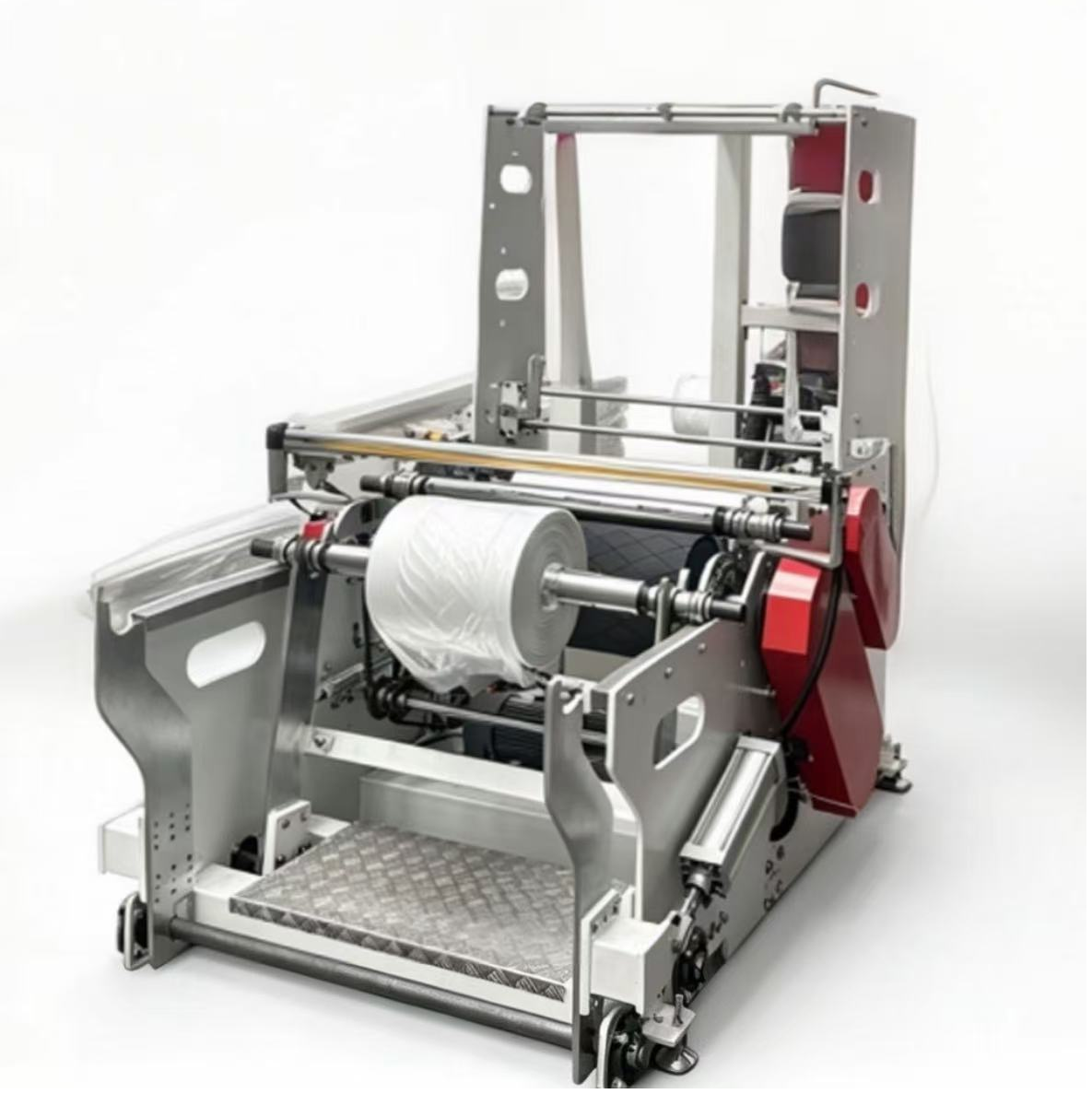
Dedicated biodegradable film blowing machines are engineered with specialized screw designs and thermal controls to prevent the degradation of shear-sensitive bio-resins.
Achieving profitable compostable film production requires equipment capable of handling complex blends, primarily PLA film and PBAT film formulations, often incorporating high ratios of starch-based fillers.
Evaluating a machine requires analyzing die head configurations, specialized cooling rings, and inline drying systems to mitigate the hygroscopic nature of biodegradable polymers.
Investing in bio-extrusion technology allows converters to capture premium markets across diverse applications, from retail packaging to agricultural mulch, while significantly reducing CO2e emissions.
Producing sustainable packaging requires meeting strict baseline physical properties. Manufacturers must achieve consistent gauge thickness, high tensile strength, and clear optical properties to compete with traditional plastics. Standard polyolefin extruders fail completely when processing bio-resins. The fundamental physics of bio-polymers demand a completely different extrusion approach. Attempting to run these sensitive materials on conventional lines results in immediate quality failures and equipment jams.
Standard extrusion profiles cause premature melting and severe material degradation. Bio-polymers suffer under excessive shear stress. Traditional screws, typically designed with a 24:1 or 26:1 Length-to-Diameter (L/D) ratio, generate high mechanical friction to melt polyethylene. This same friction burns sensitive bio-resins long before they reach the die head. The resulting degraded polymer exhibits poor mechanical strength, severe discoloration, and a strong burnt odor. Operators cannot simply lower the barrel temperature to fix this issue. Lowering temperatures on a standard screw leads to unmelted particles, massive gel formation, and eventual motor overload as the drive struggles to push cold resin.
Biodegradable materials inherently possess extremely low melt strength. Standard single-lip cooling rings fail to stabilize the bubble during extrusion. This instability causes frequent line drops, where the bubble collapses onto the die, forcing operators to re-thread the entire line. The polymer melt exits the die in a highly fluid, almost water-like state. Without rapid, specialized cooling, the bubble sags under its own weight. Operators struggle to maintain a consistent frost line height. This constant fluctuation destroys gauge consistency, ruins production yields, and creates rolls with severe gauge bands that cannot be processed on downstream bag-making machines.
Standard screws generate excessive shear heat, causing polymer chain breakdown in PLA and PBAT.
Conventional air rings lack the velocity and volume required to freeze low-melt-strength bubbles.
Standard die heads contain dead spots where bio-resins stagnate, carbonize, and create black specks.
Lack of inline drying leads to immediate moisture-induced hydrolysis inside the heated barrel.
Standard nip rollers cause warm, tacky bio-films to block or stick together during the haul-off process.
Conventional lines rely on high-shear screws and standard air rings. Bio-optimized lines utilize low-shear barrier screws, precision thermal controls, and specialized die heads. These engineering differences dictate the success of the extrusion process. Purpose-built machines address the specific rheological properties of bio-resins. They provide the gentle handling, thorough mixing, and rapid cooling required for stable, continuous production.
Processing PLA film requires specific screw geometry to maintain rigidity and clarity. Polylactic acid is brittle, highly sensitive to moisture, and prone to thermal degradation. The extruder must gently melt the PLA without breaking its polymer chains. Precise temperature control prevents the material from becoming hazy or losing its structural integrity. The feed section of the screw must be deeply grooved to ensure consistent pellet intake without premature melting at the feed throat.
Processing PBAT film demands careful temperature management to preserve flexibility and elongation. Polybutylene adipate terephthalate provides the stretch required for flexible packaging applications. The machine must process this elastomer without inducing thermal cross-linking. Proper extrusion ensures the PBAT retains its high tear resistance and dart impact strength. Operators typically run PBAT at lower temperature profiles than polyethylene, requiring highly responsive barrel cooling fans.
Machines must homogenize complex blends effectively. Mixing virgin PLA and PBAT with high ratios of corn starch fillers requires high-speed processing without agglomeration. Advanced mixing sections in the screw, such as Maddock or pineapple mixers, disperse the starch evenly throughout the melt matrix. This prevents localized burning and weak spots in the final product. Thorough homogenization ensures a uniform biodegradable film while optimizing raw material costs by allowing higher percentages of inexpensive starch fillers.
Specialized L/D ratios are tailored specifically for bio-resins. A ratio of 30:1 or 32:1 provides the necessary residence time for gentle melting. Shorter barrels force aggressive heating, which destroys the polymer structure. The extended length allows for gradual heat transfer from the barrel heaters to the resin. This protects the molecular weight of the bio-resin, ensuring the final film retains its engineered mechanical properties.
Low-shear barrier screws provide thorough mixing at lower processing temperatures. The barrier flight physically separates the solid pellet bed from the molten polymer pool. This prevents unmelted pellets from surging through the die and creating gels. The design minimizes mechanical friction. It relies on conductive heat from the barrel rather than shear heat generated by the screw to melt the plastic. This gentle melting process is non-negotiable for heat-sensitive compostable blends.
Highly responsive, multi-zone PID temperature controllers manage the thermal profile. They prevent polymer cross-linking or burning during extrusion. Bio-resins can generate exothermic reactions under pressure, causing sudden temperature spikes. The PID controllers constantly monitor barrel temperatures via deep-seated thermocouples. They activate high-CFM cooling blowers instantly to dissipate excess heat. This precise thermal management keeps the melt within its narrow processing window, typically between 140°C and 165°C depending on the specific formulation.
Machine capabilities directly connect to high-demand biodegradable product categories. Converters can target specific markets by adjusting formulations, die gaps, and processing parameters. A versatile extrusion line maximizes asset utilization on the factory floor. It allows manufacturers to pivot between different product types based on seasonal demand, market trends, or specific client contracts.
Specialized machines handle strict gauge requirements for the retail sector. They deliver the mechanical strength needed for heavy-duty compostable bags and retail carry-out bags. These applications typically require a thickness between 20 and 50 microns. The extruder must blend PBAT for stretch and PLA for load-bearing capacity. The resulting bags meet consumer expectations for durability, puncture resistance, and seal strength while remaining fully compostable in municipal facilities.
These machines produce wide-format, soil-degradable agricultural films. This eliminates costly retrieval and disposal processes for the farming sector. Mulch films require extreme thinness, often drawn down to 10 or 12 microns. The machine must maintain perfect bubble stability to achieve this thin gauge without tearing. Farmers plow the degraded film directly into the soil after the harvest, where soil microbes consume it. This application represents a massive, high-volume growth sector for bio-extrusion operations.
Converters produce high-clarity, food-safe films for disposable utensil wrappers. Primary food packaging and single-use eco-friendly items also benefit from these advanced extrusion lines. The machinery must process pure PLA or high-clarity blends without inducing haze or optical distortion. Strict temperature control prevents the formation of optical defects like flow lines or gels. These films provide excellent barrier properties for short-shelf-life food products, replacing traditional PET or polystyrene wrappers.
Specific machine components map directly to production outcomes. Compliance with standards like ASTM D6400 and EN 13432 depends on precise equipment configurations. Buyers must evaluate the mechanical design of the extruder from the ground up. Every component from the feed hopper to the surface winder influences the final film quality and the overall efficiency of the compostable film production process.
System Component |
Standard Polyolefin Extruder |
Biodegradable Film Extruder |
|---|---|---|
Screw Design |
24:1 L/D, High shear, standard mixing flights |
30:1 or 32:1 L/D, Low shear, specialized barrier flights |
Cooling System |
Standard single-lip air ring |
Dual-lip air ring, high-capacity IBC integration |
Moisture Control |
Minimal drying required (ambient hopper) |
Inline desiccant drying essential (<250 ppm moisture) |
Die Head |
Standard spiral mandrel, standard polishing |
Optimized flow channels, high-polish for low-viscosity melts |
Haul-Off Nip Rollers |
Standard steel and rubber |
Teflon-coated or specialized anti-stick silicone rubber |
Temperature Control |
Standard relay, basic air cooling |
Solid-state PID, high-CFM targeted barrel blowers |
Spiral mandrel die heads are optimized for the specific rheology of biodegradable melts. They ensure uniform flow and reduce weld lines that weaken the film. Bio-resins flow differently than polyethylene; they exhibit different shear-thinning behaviors. The die channels must be highly polished and aerodynamically streamlined to prevent material stagnation. Stagnant bio-resin degrades rapidly, causing black specks and hard carbon deposits in the film. The optimized die head maintains continuous, smooth material flow, ensuring a defect-free web.
Die gap adjustments heavily influence the mechanical properties of the final film. Operators must fine-tune the gap, typically setting it between 1.2mm and 1.8mm for bio-resins, to balance the machine direction (MD) and transverse direction (TD) strength. A precise die gap ensures uniform thickness across the entire web width. This uniformity is critical for downstream converting processes. Variations in gauge will cause telescoping rolls on the winder and jam high-speed bag-making machines.
Dual-lip air rings and internal bubble cooling (IBC) systems are mandatory for bio-extrusion. They stabilize low-melt-strength materials effectively. The dual-lip design provides a high-velocity, high-volume air stream that locks the bubble shape immediately upon exiting the die. IBC systems circulate chilled air inside the bubble, exchanging hot internal air for cold air. This rapid cooling lowers the frost line and prevents the warm film from sticking to itself (blocking) when it collapses at the nip rollers.
Haul-off units require specific modifications for handling bio-films. Specialized nip rollers and precise tension control prevent stretching or tearing of the warm web. Bio-resins remain tacky at higher temperatures than polyethylene. The nip rollers often feature specialized Teflon coatings or silicone rubber to prevent adhesion. Load cells monitor web tension continuously across the collapsing frame. The haul-off speed adjusts automatically via variable frequency drives (VFDs) to prevent pulling the delicate film too hard, which would cause unwanted MD orientation and TD weakness.
Adopting specialized bio-extrusion technology involves financial and operational trade-offs. Manufacturers must balance capital expenditure against long-term market opportunities and operational realities. Understanding these economic factors ensures a profitable transition to sustainable manufacturing and prevents costly miscalculations regarding output and efficiency.
Investing in advanced machinery allows converters to participate in the rapidly growing eco-friendly plastics market. Consumers actively seek out sustainable brands, and retailers demand packaging that aligns with their corporate ESG goals. Converters equipped with dedicated bio-extrusion capabilities can command premium pricing for their products. This premium offsets the higher cost of bio-resin raw materials, maintaining healthy profit margins for the manufacturing plant.
Offering certified compostable films provides a massive competitive advantage. Brands facing strict single-use plastic bans actively seek these sustainable solutions to remain compliant. Municipalities worldwide are outlawing traditional plastic bags and wrappers. Converters who can reliably supply certified compostable alternatives secure long-term, high-volume contracts. This legislative push guarantees a growing, captive customer base for bio-based packaging manufacturers.
Realistic expectations for output speeds are essential for production planning. Bio-resin lines typically run slower than traditional LDPE/HDPE lines of the same extruder diameter. The limiting factor is almost always cooling capacity, not extruder drive power. Bio-resins hold onto heat longer and require more time to solidify. Operators must accept slightly lower throughput to maintain film quality. Pushing the machine too fast results in unstable bubbles, gauge variations, and rejected rolls.
Pushing throughput beyond the cooling capacity compromises mechanical integrity. This negatively impacts both PLA and PBAT film quality. The film will exhibit poor tensile strength, uneven thickness, and severe blocking on the roll. Operators must find the optimal balance between line speed and cooling efficiency. Upgrading the plant's chilled water system to supply 10°C water to the air ring heat exchangers can help maximize throughput without sacrificing quality.
Modern machines are designed for high energy efficiency to offset operational costs. They utilize variable frequency drives (VFDs) on all major motors, including the main extruder drive, blowers, and winders. Efficient barrel insulation blankets reduce radiant heat loss. These features lower the overall electrical consumption of the extrusion line. Lower energy usage directly improves the profitability of the manufacturing operation by reducing monthly utility overhead.
Lifecycle data indicates that producing biodegradable films reduces CO2e emissions by 30% to 50% compared to virgin petrochemical plastics. Machine efficiency plays a major role in these reductions. By combining eco-friendly raw materials with energy-efficient processing equipment, converters significantly lower their corporate carbon footprint. This environmental benefit serves as a powerful marketing tool when bidding for contracts with environmentally conscious global brands.
Transitioning to bio-extrusion introduces new operational challenges on the factory floor. Manufacturers must address these risks proactively before they cause massive scrap generation. Proper planning, equipment integration, and operator training prevent costly downtime and wasted raw materials.
Bio-resins are highly hygroscopic, meaning they absorb moisture directly from the air. Moisture causes hydrolysis during extrusion, literally destroying the polymer chain inside the heated barrel. Even ambient humidity in a climate-controlled plant can ruin a batch of PLA or PBAT within hours. Wet resin produces film with severe visual defects, including bubbles, lenses, and a rough surface texture. The mechanical strength drops drastically, making the film brittle and unusable for packaging applications.
Integrating desiccant dehumidifying dryers inline before the extruder hopper is an absolute necessity. This equipment maintains moisture levels below 250 ppm. The drying system must run continuously, feeding hot, dry air through the resin bed. Operators should never bypass the dryer to save time during startup. Proper drying is the most critical preparatory step in bio-resin extrusion; skipping it guarantees a failed production run.
Operators accustomed to standard polyolefins will struggle with the narrower processing windows of bio-resins. The visual cues for troubleshooting are entirely different. A standard response to bubble instability in PE—like increasing the air ring blower speed—might cause a catastrophic bubble tear in PBAT. Operators must unlearn old habits and adapt to the specific thermal and rheological requirements of bio-polymers.
Implement strict training protocols for the extrusion team. Focus heavily on startup and shutdown purging procedures to prevent material degradation inside the barrel. Operators must purge the bio-resin with a stable carrier resin, like a fractional melt index LDPE or a dedicated commercial purging compound, before turning off the heaters. They must learn to recognize visual cues of thermal stress in the bubble, such as haziness, melt fracture, or die drool. Continuous education ensures high yields, protects the equipment, and minimizes scrap generation.
Request a 500kg material trial run using your exact proprietary resin blend to verify the extruder's mixing capability and actual output rates.
Audit the equipment manufacturer's facility to inspect the machining tolerances on the spiral mandrel die and the barrier screw flights.
Verify the sizing of the chilled water system and internal bubble cooling blowers to ensure they match your target production speeds.
Install inline desiccant dehumidifying dryers directly above the feed throat to guarantee moisture levels remain below 250 ppm during continuous operation.
A: Retrofitting standard machines is generally ineffective and highly discouraged. Standard screws generate too much shear heat, rapidly degrading bio-resins. Additionally, standard cooling rings cannot stabilize the low melt strength of biodegradable materials, resulting in frequent bubble collapse and gauge variations. Purpose-built machines with specialized L/D ratios and advanced cooling are required for stable production.
A: Operators typically see a 20% to 30% reduction in throughput compared to running traditional polyolefins on a similarly sized extruder. This drop occurs because bio-resins require longer cooling times and gentler processing to maintain mechanical integrity. Attempting to force higher speeds compromises film quality and causes blocking.
A: Yes. By adjusting the die gap, modifying the resin formulation, and tuning the haul-off tension, converters can seamlessly switch between producing durable retail packaging and wide-format agricultural mulch films on the same machine. This versatility maximizes asset utilization on the production floor.
A: Specialized low-shear barrier screws feature advanced mixing sections, such as Maddock mixers. These sections prevent starch agglomeration and burning, ensuring a homogenous blend of starch fillers with virgin PLA or PBAT resins. This thorough mixing maintains film strength while significantly reducing raw material costs.
A: PLA and PBAT are highly hygroscopic. They require inline desiccant dehumidifying dryers to reduce moisture levels below 250 ppm before entering the feed throat. Failure to dry the resin causes hydrolysis inside the barrel, resulting in severe loss of film strength, brittleness, and visual defects.
A: Yes. Biodegradable films possess different surface tensions than traditional plastics. Corona treaters must be adjusted to apply higher dyne levels, typically aiming for 42 to 44 dynes. This ensures proper ink adhesion for downstream printing processes without burning or damaging the sensitive film surface.