Views: 0 Author: Site Editor Publish Time: 2026-07-02 Origin: Site
Selecting the wrong machinery to process varying polymers yields severe consequences for any manufacturing operation. It inevitably leads to wasted material, compromised seal integrity, and persistent operational bottlenecks. Polyethylene (PE) and Polypropylene (PP) possess fundamentally different thermal and mechanical traits. Processing these distinct polymers efficiently presents unique engineering challenges on the factory floor. Standard machines often fail to adapt to these shifting physical properties. You cannot rely on generic setups for high-volume production without sacrificing quality.
This guide serves as a practical, decision-stage framework. You will learn how to evaluate equipment based on actual production realities rather than vague spec-sheet promises. We will explore material behaviors, core evaluation criteria, and essential architectural matching strategies. You will discover exactly how to navigate equipment selection to maximize continuous uptime and dramatically lower scrap rates. By aligning polymer physics with machine capabilities, you ensure a highly reliable manufacturing workflow.
Material compatibility dictates design: PE requires advanced tension control due to high elasticity, while PP demands highly precise thermal sealing systems.
Focus on OEE, not just rated speed: True ROI is determined by continuous uptime, low scrap rates, and rapid changeover capabilities.
Configuration matters: Ensure the manufacturer provides robust bag machine configuration support tailored to your specific upstream (blown film) and downstream (packaging) workflows.
Vendor verification is mandatory: Always demand live test runs using your specific film micron thickness before finalizing procurement.
Polyethylene and polypropylene react differently to applied heat. They also handle mechanical stress in highly unique ways. You must understand this thermal and mechanical divide. Polypropylene requires a crisp, narrow sealing window. If the temperature fluctuates slightly, you risk weak seals or burnt edges. Operators face constant challenges maintaining this precise thermal balance. LDPE and HDPE offer superior flexibility. However, they stretch easily under constant mechanical tension.
Common mistake: Many operators mistakenly apply PE temperature settings to PP films. This error causes immediate material degradation. PP requires high-precision digital temperature controllers. They maintain the thermal band within a single degree of variance. PE, conversely, forgives minor temperature shifts. However, PE punishes poor mechanical handling instantly. High elasticity means the web stretches if roller speeds mismatch.
Tension control presents a massive operational hurdle. Standard equipment routinely fails when processing thin-gauge PE. You need highly responsive tension systems. Servo-driven tension rollers become absolutely critical. Dancer roll assemblies prevent harmful film distortion during high-speed runs. They continuously maintain consistent web tension across the entire processing line. Without them, the film warps before reaching the sealing station.
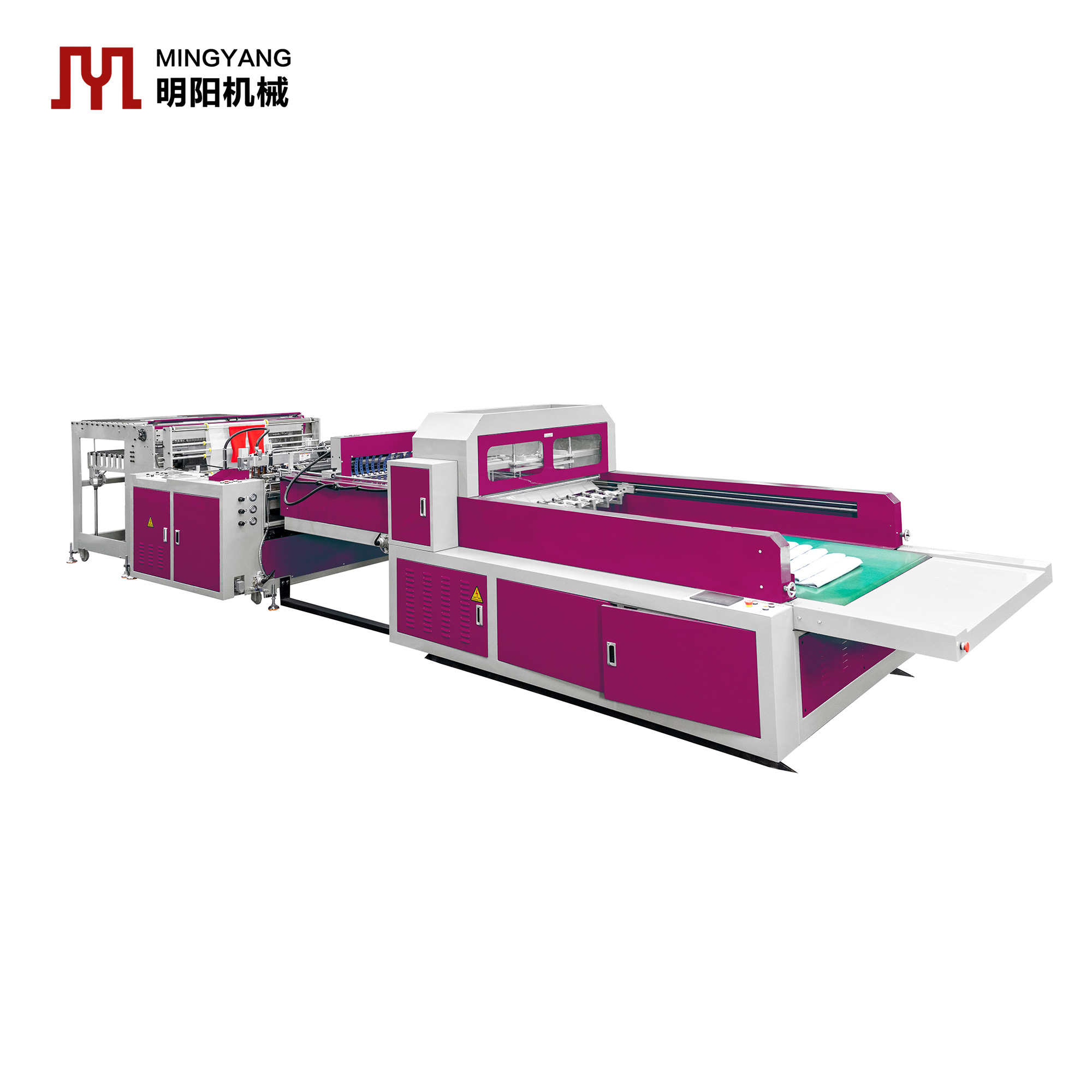
Selecting the right bag making machine for PE PP film involves evaluating specific cutting tools. You must assess sealing knife configurations carefully. Hot-wire sealing works best for certain PE bag varieties. It cleanly slices and seals the highly elastic material. Conversely, heavy-duty heated sealing bars handle durable PP woven items. PP demands prolonged thermal contact to ensure a permanent bond.
Best practice: Always install localized cooling fans near the sealing jaw when running heavy-gauge PE. Rapid cooling stabilizes the molten polymer immediately. It prevents the freshly cut edges from fusing back together.
Many buyers assume one machine flawlessly runs both materials. We must firmly dispel this dangerous myth. You cannot switch polymers seamlessly on a basic setup. Modular or dual-purpose sealing heads are mandatory. They allow operators to physically adjust the thermal application method based on the loaded material.
Evaluating plastic bag making equipment requires a strict focus on operational outcomes. You must map specific engineering features to actual production results. Spec sheets list impressive technical components. However, you need to understand how these parts impact daily yields on the shop floor.
Engineering Feature | Mechanical Function | Production Outcome |
|---|---|---|
Servo Motor Integration | Drives exact web advancement and precise blade actuation. | Lowers scrap rate and ensures consistent bag dimensions. |
Photocell Tracking | Scans optical registration marks on printed films. | Prevents off-center prints and protects brand integrity. |
Automated Stacking | Gathers and groups finished bags via conveyor belts. | Increases throughput and dramatically lowers manual labor overhead. |
Let us elaborate on photocell tracking. Printed films require absolute precision. Optical sensors read registration marks printed on the web edge. The servo motor adjusts the cutting blade micro-seconds before contact. This dynamic adjustment prevents off-center prints. Poor registration ruins retail packaging batches instantly. Reliable sensors eliminate this massive waste.
Production capacity often misleads inexperienced buyers. Manufacturers frequently advertise maximum operational speeds. You must calculate realistic daily yields instead. A machine rated for 200 bags per minute rarely achieves this continuously. Subtract standard changeover periods for roll replacements. Deduct routine maintenance breaks and typical operator interventions. This calculation reveals your true operational output. It paints an accurate picture of continuous factory throughput.
Scalability dictates the long-term value of your investment. Market demands shift rapidly. Your machinery must adapt to new packaging trends. Look for systems designed to accept modular upgrades easily. Consider these frequent upgrade paths:
Punching units: Add integrated handle capabilities for retail carrier items.
Gusset formers: Create expandable side panels for bulk storage applications.
Ziplock sliders: Introduce resealable functions for premium consumer goods.
Planning for these specific upgrades prevents premature equipment obsolescence.
Your primary application determines the ideal machine architecture. Different end products require highly specialized mechanical handling. You must match the equipment profile to your specific customer deliverables.
Consider standard retail packaging and food preservation workflows. Industrial inner liners also demand specific sealing methods. A dedicated PE PP flat bag machine typically handles these tasks efficiently. You must choose between bottom-seal and side-seal configurations. Bottom-seal setups provide superior load-bearing strength for heavier contents. They fuse the polymer across the entire base. Side-seal configurations excel at producing high-clarity retail display packaging. You must evaluate which seal type aligns best with your final product.
T-shirt and vest bags demand high-volume, rapid production cycles. Grocery chains consume these items at staggering rates. Standard single-lane production cannot meet this massive demand. Multi-lane capabilities increase throughput dramatically without consuming extra floor space. Specialized punching units shape the final handles simultaneously. They must cleanly punch through multiple film layers without tearing the surrounding polymer structure.
E-commerce packaging requires heavy-duty courier sacks. These specific bags face extreme physical abuse during transit. You need reinforced sealing modules to prevent splitting under pressure. The inside of a courier bag often features an opaque co-extruded layer. This layer behaves differently under thermal pressure. The sealing bars must penetrate multiple dense layers simultaneously. Standard mechanical springs lack the necessary compressive force. You need high-pressure pneumatic cylinders to force the sealing jaws together securely.
Furthermore, heavy-duty unwinds manage larger, heavier master film rolls effortlessly. Specialized glue-tape applicators seal the mailers securely. They apply destructive adhesive strips meant to expose tampering attempts permanently.
Evaluating manufacturer expertise protects your significant capital investment. You must audit supplier track records carefully before signing contracts. Ask for verified case studies involving your specific polymer applications. A vendor might excel at rigid plastics but struggle with thin films. Field experience matters immensely.
Custom engineering capabilities separate average vendors from exceptional manufacturing partners. Factory layouts vary significantly across different facilities. Robust bag machine configuration support resolves complex integration headaches. Suppliers should eagerly accommodate custom web widths. They must meet specific electrical compliance standards like CE or UL based on your region. Integration into existing factory ERP systems streamlines critical data collection. Modern Programmable Logic Controllers (PLCs) export production data seamlessly. Managers can monitor machine speeds, fault codes, and daily yields remotely. This connectivity turns a standalone machine into an intelligent factory node.
Implementation involves noticeable operational risks. Define a standard deployment timeline early in discussions. Outline strict expectations for factory acceptance testing (FAT). Coordinate shipping logistics and installation phases clearly. Operator training ensures smooth daily operations after the engineers leave.
Best practice: Send your exact film rolls to the vendor's facility. Do not rely on generic test materials. Your specific micron thickness and slip-additive levels change the machine's behavior entirely. The Factory Acceptance Test must replicate your actual shop floor conditions. Demand a continuous 60-minute run. Monitor the scrap rate precisely during this period. True performance reveals itself during sustained operations.
Service Level Agreements (SLAs) guarantee continuous production over the years. Demand remote troubleshooting capabilities utilizing modern IoT sensors. Confirm rapid spare parts availability in your specific geographic region. Review warranty terms closely to understand the coverage on wearable components.
Vendor SLA Evaluation Chart | ||
Service Category | Standard Vendor Offering | Premium Partner Expectation |
|---|---|---|
Troubleshooting | Email and phone support during business hours. | 24/7 remote PLC diagnostics via secure IoT gateways. |
Spare Parts | Shipped internationally within 7-14 days. | Local depot stocking wearable parts for 48-hour delivery. |
Operator Training | Basic manual provided upon delivery. | On-site engineer training covering maintenance and safety. |
Always match your exact polymer type (PE vs PP) to the machine's specific thermal controls and tension systems.
Calculate true factory output by factoring in continuous uptime, realistic scrap rates, and maintenance periods.
Align your machine's mechanical architecture directly with your end-product requirements, such as bottom-seal strength or multi-lane speed.
Compile a comprehensive batch of your specific material samples and demand a rigorous Factory Acceptance Test.
Draft a mandatory procurement checklist targeting reliable vendor support, local spare parts, and remote diagnostic capabilities before requesting quotes.
A: Yes, but it requires specialized dual-sealing setups and precise digital temperature controllers. You cannot use a basic configuration. Operators must physically switch the sealing jaws and adjust tension settings. Expect a longer changeover time between polymer runs.
A: Lead times typically range from 45 to 90 days. This depends heavily on the complexity of your requested attachments. Advanced automation features, custom web widths, and specialized punching units generally push delivery schedules closer to the 90-day mark.
A: Insist on a Factory Acceptance Test (FAT) utilizing your specific roll stock. Run the equipment continuously for at least 60 minutes. Measure the exact number of usable bags produced. This extended test accurately reveals true operational efficiency and exposes hidden scrap rates.